 EN
EN  ES
ES  FR
FR  FA
FA  JA
JA  DE
DE 
Are you risking system failure by overlooking the importance of Electric Wire Connectors and Terminals?
It’s a common mistake.
But as any seasoned engineer knows, the integrity of your entire circuit relies heavily on the quality of your Wire Ends.
In this post, you’re going to master the art of connection.
From basic Twist-on Connectors to industrial-grade Crimp Connectors, we break down the exact Types, Applications, and Selection criteria you need to ensure safety and reliability.
Stop guessing. Start connecting with precision.
Let’s dive right in.
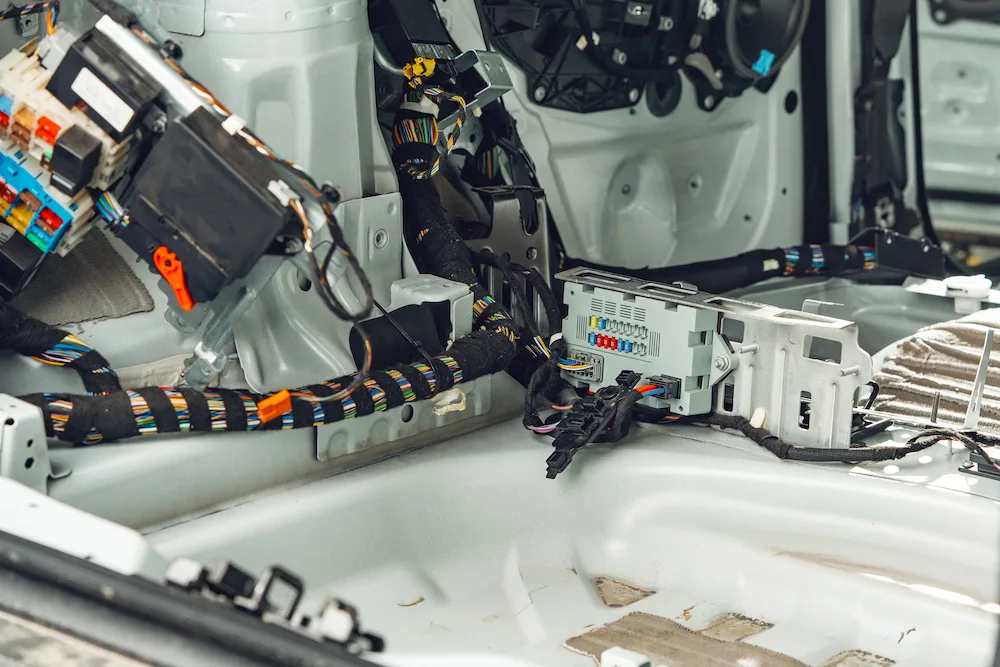
1. Introduction: The Critical Role of Electric Wire Connectors in Modern Circuitry
1.1 What are Wire Connectors and Why Do They Matter?
In the intricate landscape of modern electronics, electric wire connectors serve as the vital nervous system, bridging the gap between power sources, data streams, and functional components. A connector is not merely a passive accessory; it is a precision-engineered interface that defines the reliability of the entire system. Whether utilizing Board-to-Board (BTB) interfaces for high-density PCBs or Wire-to-Board (WTB) solutions for internal cabling, these components enable modular design, streamline manufacturing, and facilitate efficient maintenance.
At Suqin, we recognize that the efficiency of an electronic device relies heavily on the integrity of its connections. From standard Pin Headers to complex FPC/FFC connectors, the right interconnection solution ensures seamless signal transmission and robust power delivery. Without these critical links, advanced technologies in automotive, industrial automation, and consumer electronics would cease to function effectively.
1.2 The Impact of High-Quality Wire Ends on Electrical Safety
The safety and longevity of any electrical circuit depend significantly on the quality of its wire ends and termination points. Inferior connectors are often the primary cause of system failures, leading to signal intermittency, increased resistance, and dangerous overheating. High-quality terminals are designed to withstand rigorous environmental factors, including vibration, thermal cycling, and oxidation.
To guarantee operational safety, we prioritize the use of superior materials and precision manufacturing:
- Robust Housing Materials: Utilizing high-temperature plastics like LCP, PA9T, and PA6T ensures connectors maintain structural integrity during SMT soldering and harsh operating conditions.
- Conductive Excellence: Contacts made from Phosphor Bronze or Brass with precise gold or tin plating maximize conductivity and corrosion resistance.
- Certified Reliability: Adherence to strict quality standards, such as ISO9001 and the automotive-grade IATF16949, ensures that every terminal block and connector meets global safety benchmarks.
Choosing precision-manufactured connectors eliminates the risks associated with poor contact and mechanical stress, securing the performance of critical applications.
2. Comprehensive Classification: Different Types of Wire Connectors
Navigating the vast landscape of electric wire connectors requires understanding how different mechanisms suit specific industrial environments. At Suqin, we categorize these components based on termination method, reusability, and mechanical stability.
2.1 Mechanical Twist-on Connectors for Basic Wiring
Twist-on connectors, often called wire nuts, are the standard for residential and light commercial electrical work. They rely on an internal metal coil to bite into the conductor as the cap is twisted, creating a secure mechanical bond. While excellent for quick, permanent splices in building wiring, they are generally not suitable for high-vibration automotive or precision electronic applications where we recommend more robust solutions.
Key Characteristics:
- Installation: Hand-tightened; no special tooling required.
- Reusability: Generally reusable for maintenance.
- Best For: Solid wire connections in junction boxes and light fixtures.
2.2 Specialized Crimp Connectors for Industrial Reliability
For environments requiring vibration resistance and gas-tight seals, crimp connectors are the industry standard. This method involves deforming a metal terminal around the wire using a calibrated tool, essentially “cold welding” the two together. In our manufacturing process, we prioritize high-conductivity materials like phosphor bronze or brass to ensure minimal resistance.
Reliable power distribution often depends on a robust wire-to-wire power connector setup, where crimped terminals are inserted into durable housings. This ensures that circuits in automotive and heavy machinery remain uninterrupted despite mechanical stress.
Types of Crimp Terminals:
- Ring & Spade Terminals: Secure grounding and stud connections.
- Butt Splices: Permanent inline wire joining.
- Pin & Socket Contacts: Used within multi-position connector housings.

2.3 Push-in and Plug-and-Play Wire Terminals & Connectors
Efficiency on the assembly line drives the demand for push-in and pluggable systems. These connectors reduce installation time by allowing wires to be inserted directly or via modular housings without manual tightening. We engineer these systems to provide audible “clicks” or tactile feedback, confirming a secure lock.
For complex wiring harnesses, utilizing a 6-pin female housing allows for modular assembly, enabling technicians to connect multiple circuits simultaneously. This modular approach significantly lowers maintenance downtime compared to hard-wired solutions.
| Feature | Push-in / Plug-and-Play | Traditional Screw Terminal |
|---|---|---|
| Speed | Fast (Seconds) | Slow (Requires torque) |
| Vibration | High (Spring-clamp retention) | Variable (Can loosen) |
| Skill Level | Low | Moderate |
2.4 Insulation Displacement Connectors (IDC) for Fast Assembly
Insulation Displacement Connectors (IDC) are designed for maximum efficiency in mass production. Unlike other methods, IDC does not require stripping the wire insulation. Instead, sharp internal blades slice through the insulation to make contact with the conductor core.
We frequently deploy IDC technology in ribbon cable assemblies and data transmission applications. It is ideal for low-current signal wires where consistency and speed are paramount, eliminating the variability of manual wire stripping.
Advantages of IDC:
- Mass Termination: Connects multiple wires at once.
- Integrity: No risk of nicking the conductor strands during stripping.
- Cost-Effective: Reduces labor costs in high-volume manufacturing.
3. Technical Deep Dive: Mastering Wire Terminals and Crimp Technology
Understanding the engineering behind electric wire connectors separates a reliable circuit from a potential fire hazard. At Suqin, we approach terminal design with precision, focusing on the physics of the connection to ensure consistent performance across industrial and automotive applications.
3.1 Understanding the Anatomy of Wire Terminals
A wire terminal isn’t just a piece of bent metal; it is a precision-engineered component designed to manage electrical flow and mechanical stress. Whether we are manufacturing pin headers or complex vehicle wiring components, the anatomy generally consists of three critical zones:
- Mating Interface: The contact point where the male pin meets the female socket. This area defines the contact resistance and durability cycles.
- Transition Area: The section connecting the mating interface to the crimp barrel. It must be flexible enough to handle minor misalignment but rigid enough to maintain position.
- Crimp Barrel: The heart of the connection. This area is deformed around the wire strands to create a gas-tight seal, preventing oxidation and ensuring conductivity.
3.2 Key Materials: Copper vs. Brass and the Importance of Plating
The base material and plating of a terminal dictate its current rating, heat resistance, and longevity. In our manufacturing process, we select materials based on the specific environmental demands of the application.
Base Materials:
- Brass: The most common choice for general-purpose connectors. It offers good conductivity and strength at a cost-effective price point.
- Phosphor Bronze: Used for high-performance applications. It provides superior elasticity and fatigue resistance, making it ideal for contacts that undergo frequent mating cycles.
Plating Options:
To protect the base metal and enhance conductivity, we apply specific plating finishes:
| Plating Type | Characteristics | Best Application |
|---|---|---|
| Tin Plating | Cost-effective, good solderability. | General consumer electronics and standard printed circuit board connectors. |
| Gold Flash | Excellent corrosion resistance, low contact resistance. | Low-voltage signal transmission and data ports. |
| Selective Gold | Gold only on the contact area, tin on the tail. | Balancing high performance with manufacturing costs. |
3.3 Best Practices for Treating Wire Ends to Prevent Failure
Even the highest quality terminal will fail if the wire preparation is poor. Secure connections rely on strict adherence to mechanical standards during assembly.
- Strip Length Precision: The insulation must be stripped to the exact length specified by the terminal design. Too short, and the insulation interferes with the crimp; too long, and exposed wire creates a short-circuit risk.
- Avoid “Birdcaging”: When stripping stranded wire, the strands should remain twisted. If they flare out (birdcage), they may not fit into the barrel correctly, reducing the conductive cross-section.
- Crimp Height Verification: The crimp height is the most critical quality control metric. We utilize automated crimping machinery to ensure the terminal bites into the wire enough to eliminate air gaps but not so much that it crushes the strands and reduces strength.
4. Selection Criteria: Choosing the Right Crimp Connectors for Your Project
Selecting the correct interconnection solution goes beyond just fitting two pieces together. As a manufacturer committed to precision and reliability, we know that the longevity of your electronic system depends on matching the connector specifications to the application’s electrical and mechanical demands. Whether you are designing for automotive systems or consumer electronics, adhering to strict selection criteria prevents field failures.
4.1 Wire Gauge (AWG) and Current Capacity Considerations
The relationship between the wire gauge (AWG) and the connector’s contact rating is the foundation of electrical safety. Using a connector that cannot handle the current load of the wire will lead to overheating, resistance buildup, and potential fire hazards. Conversely, oversizing the connector wastes board space and increases costs.
When specifying components, you must ensure the terminal is sized correctly for the wire’s cross-sectional area. For example, our 28-20 AWG connector series is designed to handle specific current loads typical in signal and low-power distribution, ensuring a gas-tight crimp that maintains conductivity over time.
Key Electrical Parameters to Verify:
- Current Rating (Amps): The maximum current the contact can carry without exceeding temperature rise limits (usually +30°C).
- Voltage Rating: Ensure the housing material’s dielectric strength can withstand the system voltage.
- Contact Resistance: Lower resistance (measured in milliohms) means less signal loss and heat generation.
4.2 Environmental Factors: Heat Resistance and Waterproof Ratings
Operating environments dictate the materials and sealing requirements of your electric wire connectors. Standard connectors may fail if exposed to high vibration, extreme temperatures, or moisture. For applications requiring high-temperature reflow soldering (SMT), we utilize robust materials like LCP (Liquid Crystal Polymer) or PA9T, which maintain structural integrity under heat.
For harsh environments, particularly in automotive or heavy industrial sectors, sealing is non-negotiable. Connectors like the Deutsch DT06-12PB receptacle are engineered to withstand moisture ingress and vibration, adhering to rigorous IATF16949 standards.
Material Selection Guide:
- Standard Indoor: Nylon 66 (Cost-effective, good insulation).
- High-Temp/SMT: LCP, PA9T, PA6T (Resists warping during soldering).
- Corrosive/Humid: Gold plating on contacts (Prevents oxidation better than tin).
4.3 Integrated Value Matrix: Comparing Different Wire Termination Methods
Choosing between crimping, soldering, or insulation displacement (IDC) depends on your production volume and reliability needs. While soldering offers a permanent bond, it is labor-intensive. Crimping offers speed and consistency, especially when automated.
Below is a comparison to help you decide the best method for your assembly line:
| Feature | Crimp Connectors | IDC (Insulation Displacement) | Soldered Connections |
|---|---|---|---|
| Assembly Speed | High (Automated) | Very High (Mass Termination) | Low (Manual/Wave) |
| Vibration Resistance | Excellent (with strain relief) | Good | Moderate (Prone to fatigue) |
| Field Repairability | High (Easy to re-terminate) | Low | Low |
| Cost per Point | Low (High volume) | Lowest | High (Labor intensive) |
| Ideal Application | Power & Signal Wiring | Ribbon Cables (Data) | PCB Direct Attach |
We recommend evaluating the Total Installed Cost, which includes not just the component price, but the labor and tooling required for assembly. For most high-volume wire-to-board applications, precision crimp terminals offer the best balance of reliability and efficiency.
5. Industrial Applications: Where Precision Wire Connectors are Essential
Across various industries, the demand for reliable electric wire connectors drives our manufacturing standards. We tailor our interconnection solutions to meet the specific mechanical and electrical stresses found in automotive, energy, and consumer sectors.
5.1 Automotive and Aerospace: High-Vibration Environment Solutions
In the automotive and aerospace sectors, component failure is not an option. Connectors here must withstand extreme vibration, thermal cycling, and exposure to chemicals. We strictly adhere to IATF16949 standards to ensure our automotive connectors maintain signal integrity under these harsh conditions.
Key requirements for these industries include:
- Vibration Resistance: Secure locking mechanisms to prevent accidental disconnection.
- Thermal Stability: Materials like PA9T and LCP that endure high engine temperatures.
- Traceability: Rigorous testing protocols for every batch.
To understand the depth of our commitment to safety, you can read about how automotive connector manufacturers perform quality control and testing to ensure every terminal performs flawlessly on the road or in the air.
5.2 Renewable Energy: Connectors for Solar and Wind Power Systems
Renewable energy systems, such as solar arrays and wind turbines, operate in outdoor environments requiring exceptional durability. The wire terminals and connectors used here must be waterproof, UV-resistant, and capable of handling high voltages over long periods.
Our focus is on providing robust interconnection solutions that prevent moisture ingress and corrosion. For heavy-duty outdoor applications, we often utilize or manufacture compatible ruggedized interfaces. For instance, high-performance waterproof solutions similar to Chogori connectors are essential for maintaining power transmission efficiency in unpredictable weather conditions.
5.3 Consumer Electronics: Miniaturization and High-Density Terminals
As devices become smaller and smarter, the need for high-density, low-profile connectors increases. In consumer electronics, we specialize in Board-to-Board (BTB) and FPC/FFC connectors with fine pitches ranging from 0.5mm to 1.27mm.
We support the miniaturization trend through:
- Precision Molding: Creating compact housings that save PCB space.
- High-Speed Transmission: Supporting USB and HDMI standards for rapid data transfer.
- Durable Plating: Using gold flash or selective gold plating to ensure consistent conductivity despite frequent mating cycles.
Our integrated R&D and mold manufacturing capabilities allow us to produce these micro-connectors with the tight tolerances required for modern smartphones, laptops, and wearables.
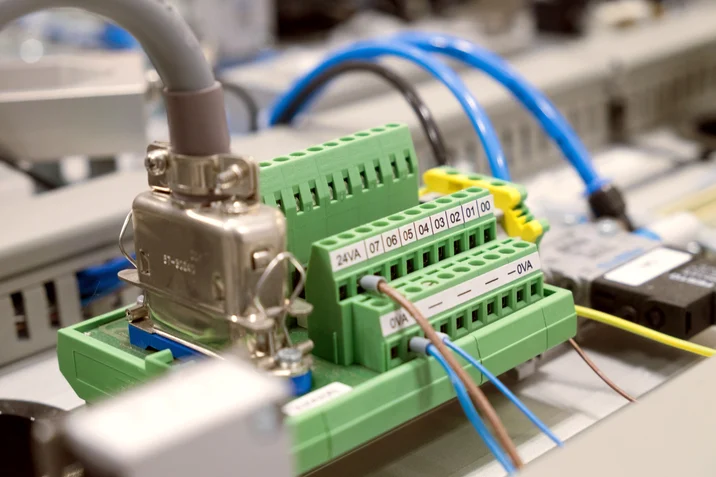
6. Maintenance and Installation: Ensuring Long-term Performance
Even the highest quality Electric Wire Connectors and Terminals will fail if they are installed poorly. I have seen expensive industrial systems go down simply because a technician used a pair of rusty pliers instead of the proper tooling. Longevity in electrical systems comes down to precision during the installation process and knowing how to spot a problem before it becomes a hazard.
6.1 Essential Tools for Professional Crimp Connector Installation
You cannot fake a good crimp. If you want a connection that handles vibration and current without overheating, you have to invest in the right gear. Using standard slip-joint pliers crushes the metal rather than cold-welding it to the wire strands, leading to loose connections.
Here is the toolkit I recommend for getting a professional result every time:
- Ratcheting Crimper: This is non-negotiable. A ratcheting tool applies a consistent, pre-set amount of force, ensuring your vehicle connector terminal is compressed to the exact factory specification. It won’t release until the crimp is complete.
- Precision Wire Strippers: You need to strip the insulation without nicking the copper strands. Nicks create weak points that eventually snap under vibration.
- Heat Gun: If you are using heat-shrink terminals, a lighter is too inconsistent and leaves soot. A heat gun provides even heat to properly seal the insulation and block out moisture.
6.2 How to Identify and Troubleshoot Poor Wire Connections
Troubleshooting usually starts when something stops working, but preventative checks are far better. A bad connection often generates heat or intermittent signals before it fails completely.
Here is how we spot trouble in the field:
- The Pull Test: This is the simplest and most effective check. After crimping, give the wire a firm tug. If the wire moves, rotates, or pulls out, the crimp is a failure. Cut it off and start over.
- Check for Heat Damage: Inspect the connection point. Discoloration on the metal or melting on the automotive electrical housing indicates high resistance and overheating.
- Voltage Drop Test: Use a multimeter to measure the voltage across the connection while the circuit is active. If you see a significant drop, the connector is acting like a resistor and needs to be replaced immediately.
7. FAQ: Expert Insights into Wire Terminals & Connectors (Purchasing & Engineering Focus)
Navigating the technical nuances of interconnection systems can be tricky. Here, we address the most common questions we receive from procurement teams and engineers regarding electric wire connectors and termination standards.
7.1 What is the difference between a terminal and a connector?
While often used interchangeably, these terms refer to distinct components in our manufacturing process.
- Terminal: This is the metal component (conductive part) that is crimped or soldered directly onto the wire. It acts as the actual contact point for electricity. For high-reliability applications, we often recommend a gold plated connector terminal to ensure superior conductivity and oxidation resistance.
- Connector: This typically refers to the housing (usually plastic) that holds the terminals in place and mechanically joins two circuits. It provides the structure, polarization, and locking mechanism.
In short, the terminal is the conductor, and the connector is the assembly that protects and aligns it.
7.2 Can I reuse crimp connectors after they have been installed?
No, you should never reuse a crimp connector.
Crimp technology relies on the permanent plastic deformation of the metal barrel to create a “gas-tight” seal against the wire strands. Once a terminal has been crimped, the metal has been stretched and compressed to its limit.
- Risk of Failure: Trying to pry it open and re-crimp weakens the metal, leading to “spring-back” and loose connections.
- Safety Hazard: Reused crimps cause high resistance, heat buildup, and potential electrical fires.
If a mistake is made during assembly, the only safe protocol is to cut the wire and apply a brand-new terminal.
7.3 How do I choose the right insulation material for my electric wire connectors?
Selecting the right housing material is critical for preventing system failure. You must match the material properties to your application’s environment.
- Temperature: For high-heat environments (like automotive or SMT reflow soldering), we utilize high-performance plastics like LCP (Liquid Crystal Polymer), PA9T, or PA6T.
- Environment: If your application faces moisture or dust, standard nylon may not suffice. You may need a specialized solution designed for harsh conditions, such as an IP67 sealed connector, which uses specific materials and seals to block contaminant ingress.
- Flammability: Always check for UL94 V-0 ratings to ensure the material self-extinguishes in case of fire.
Related Sources
https://www.fluke.com/en-us/learn/blog/electrical/testing-electrical-connections
https://www.engineeringtoolbox.com/awg-wire-gauge-d_731.html
https://www.waytekwire.com/products/Terminals-Connectors
https://whma.org/ipc-whma-a-620
https://standardswise.com/difference-between-terminal-and-connector