EN
EN  ES
ES  FR
FR  FA
FA  JA
JA  DE
DE 
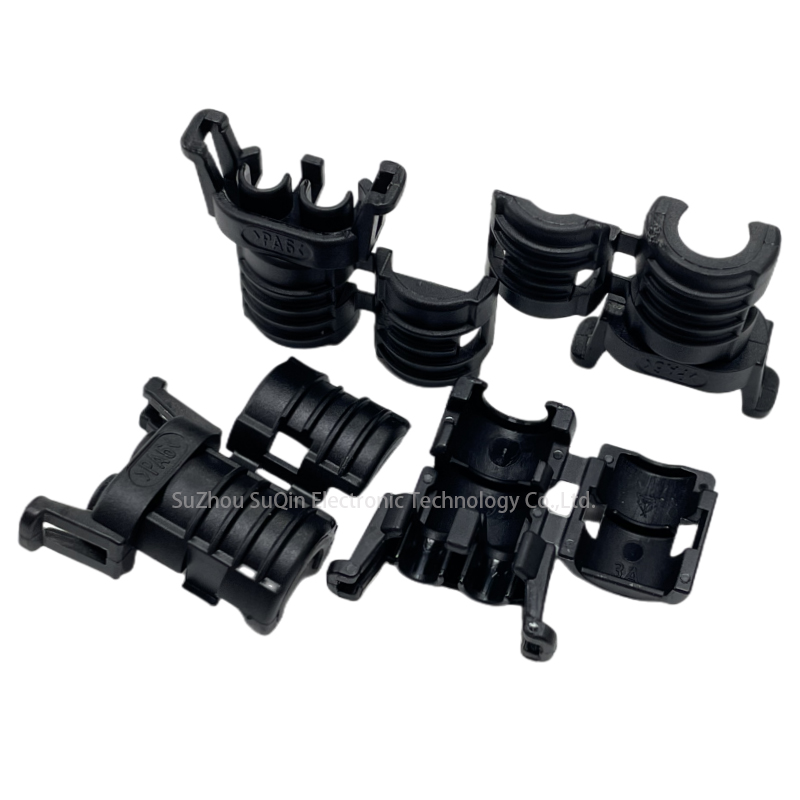
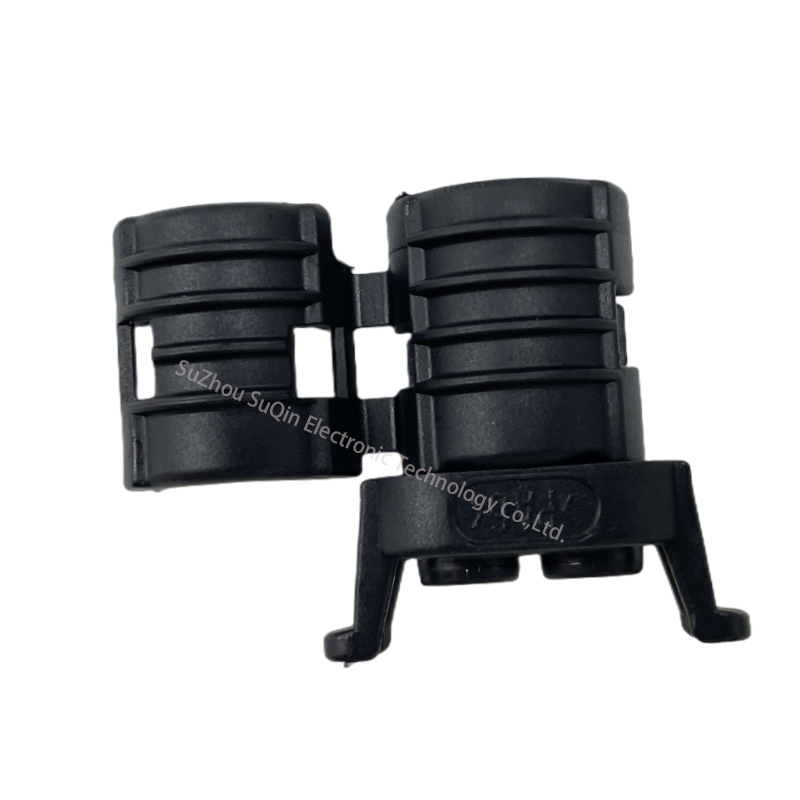
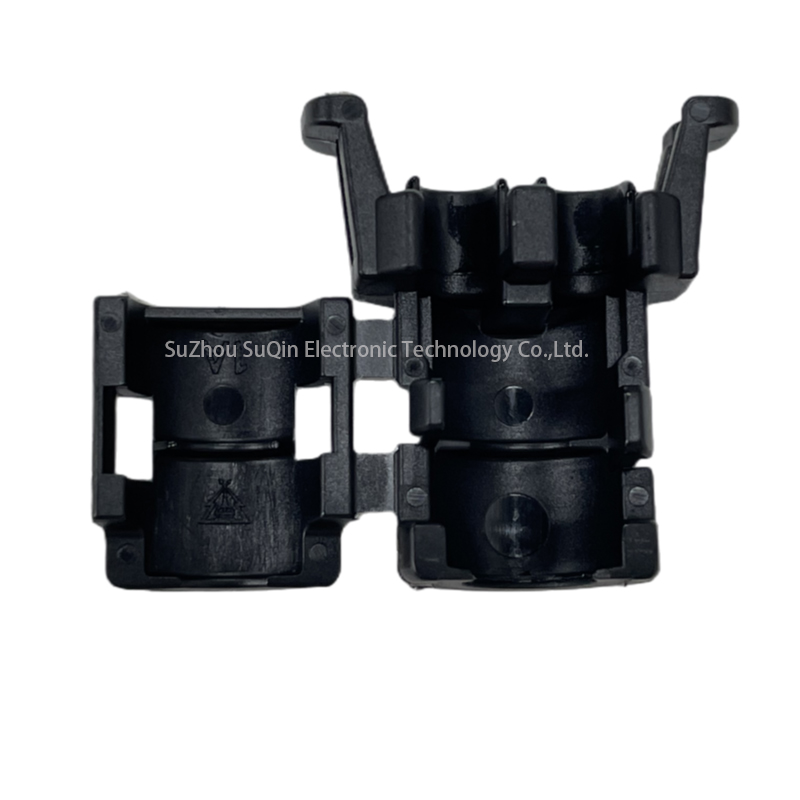
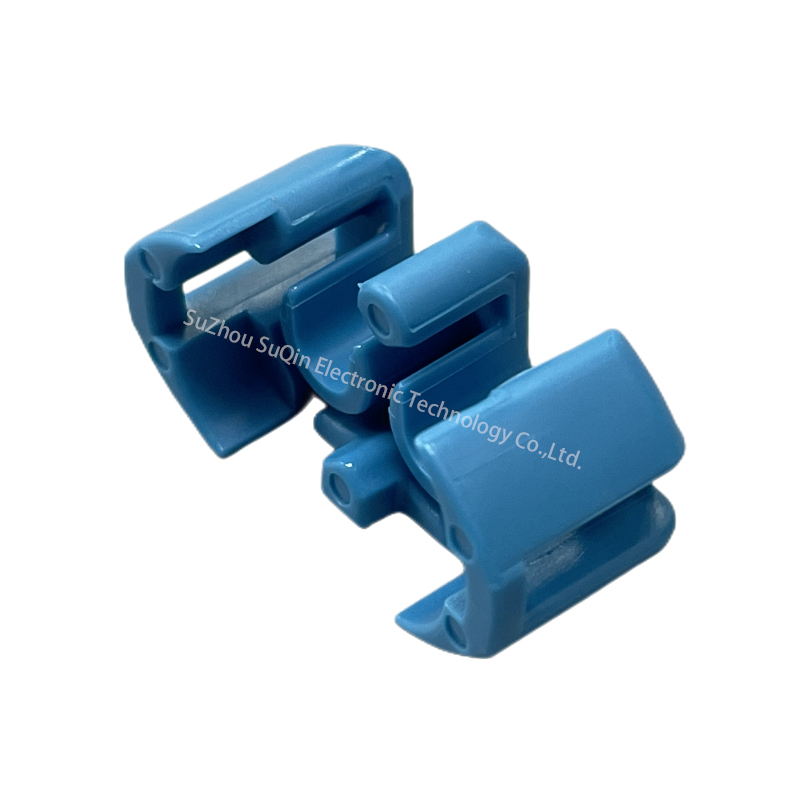
Aptiv 15327747 TPA Secondary Lock | 2-Way Connector Terminal Assurance
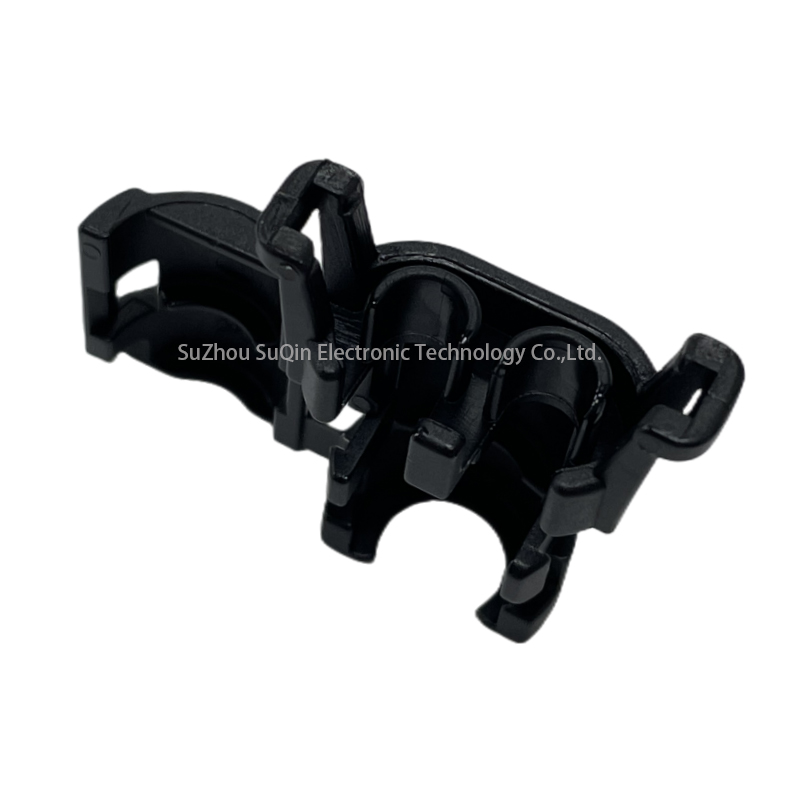
Short Description:
-
Manufacturer: Aptiv (formerly Delphi)
-
Part Number: 15327747
-
Accessory Type: Terminal Position Assurance (TPA) / Secondary Lock
-
Number of Positions: 2 Position
-
Color: Black
-
Application: Automotive Wiring Harnesses
-
Compatibility: Designed for Convoluted Conduit (CNVLT CNDT) interface connectors
-
Material: High-performance Engineering Plastic
-
Function: Ensures terminals are fully seated and prevents terminal back-out.
Product Detail
Product Tags
Buy Aptiv 15327747 Secondary Lock (TPA). This 2-position black terminal position assurance clip ensures secure terminal seating in automotive connectors, preventing back-outs in high-vibration environments.
Data Overview
| Attribute Category | Technical Specification |
| Brand | Aptiv (Delphi) |
| Model / PN | 15327747 |
| Accessory Series | 1500 Subcategory |
| Product Component | TPA (Terminal Position Assurance) |
| Circuit Positions | 2 |
| Primary Color | Black |
| Material Type | Automotive Grade Thermoplastic |
| Unit Weight | 0.088229 oz (approx. 2.5g) |
| RoHS Compliant | Yes |
| Typical Application | Wire-to-Wire / Wire-to-Device Connectors |
| Assembly Country | Austria (Origin AT) |
Product Details
| Product Specifications & Material | Functional Advantages & Stability | Strategic Value for Assembly |
| Integrated Secondary Locking Design | The TPA cannot be closed unless all terminals are perfectly seated in the cavity. | Eliminates Assembly Errors: Acts as a mechanical “poka-yoke” (error-proofing) during harness production, ensuring 100% terminal engagement. |
| Vibration-Resistant Black Resin | Made from automotive-grade thermoplastic that maintains its tension under extreme engine heat and road vibration. | Enhanced Connection Security: Prevents terminals from backing out due to mechanical stress, significantly reducing warranty claims related to loose connections. |
| Optimized for Convoluted Conduits | Specifically engineered to fit within or alongside convoluted tubing interfaces common in engine bays. | Simplified Harness Integration: Allows for seamless wire protection management without compromising the connector’s locking integrity. |
| Lightweight 2-Position Profile | Adds minimal weight (0.088 oz) while providing robust physical reinforcement to the circuit. | System Weight Efficiency: Provides maximum reliability for sensors and small actuators without increasing the overall footprint of the wiring system. |
Our advantage
● Brand supply diversification,
Convenient one-stop shopping
● Covers a wide range of fields
Automobile, electromechanical, industrial, communication, etc.
● Complete information, fast delivery
Reduce intermediate links
● Good after-sales service
Quick response, professional reply
● Original genuine guarantee
Support professional consultation
● After-sales problems
Ensure that the imported original products are genuine. If there is a quality problem, it will be solved within one month of receiving the goods.
Q1: What is the primary purpose of the Aptiv 15327747 TPA?
A: The 15327747 TPA (Terminal Position Assurance) acts as a secondary lock for automotive connectors. Its main job is to ensure that the electrical terminals are fully inserted into the housing. If a terminal is not correctly seated, the TPA will not click into place, alerting the technician to fix the connection immediately.
Q2: Can the 15327747 lock be reused if I need to repin the connector?
A: Yes, in most cases, the 15327747 can be carefully pried open using a specialized terminal removal tool or a small flathead screwdriver. This allows for harness repairs or terminal replacements without needing to replace the entire locking clip, provided the plastic tabs are not damaged.
Q3: Why is this specific model recommended for convoluted conduit applications?
A: This model is designed with a profile that accounts for the clearance and attachment points required when a connector is integrated with convoluted tubing (conduit). It ensures that the wire protection does not interfere with the primary or secondary locking mechanisms of the harness.